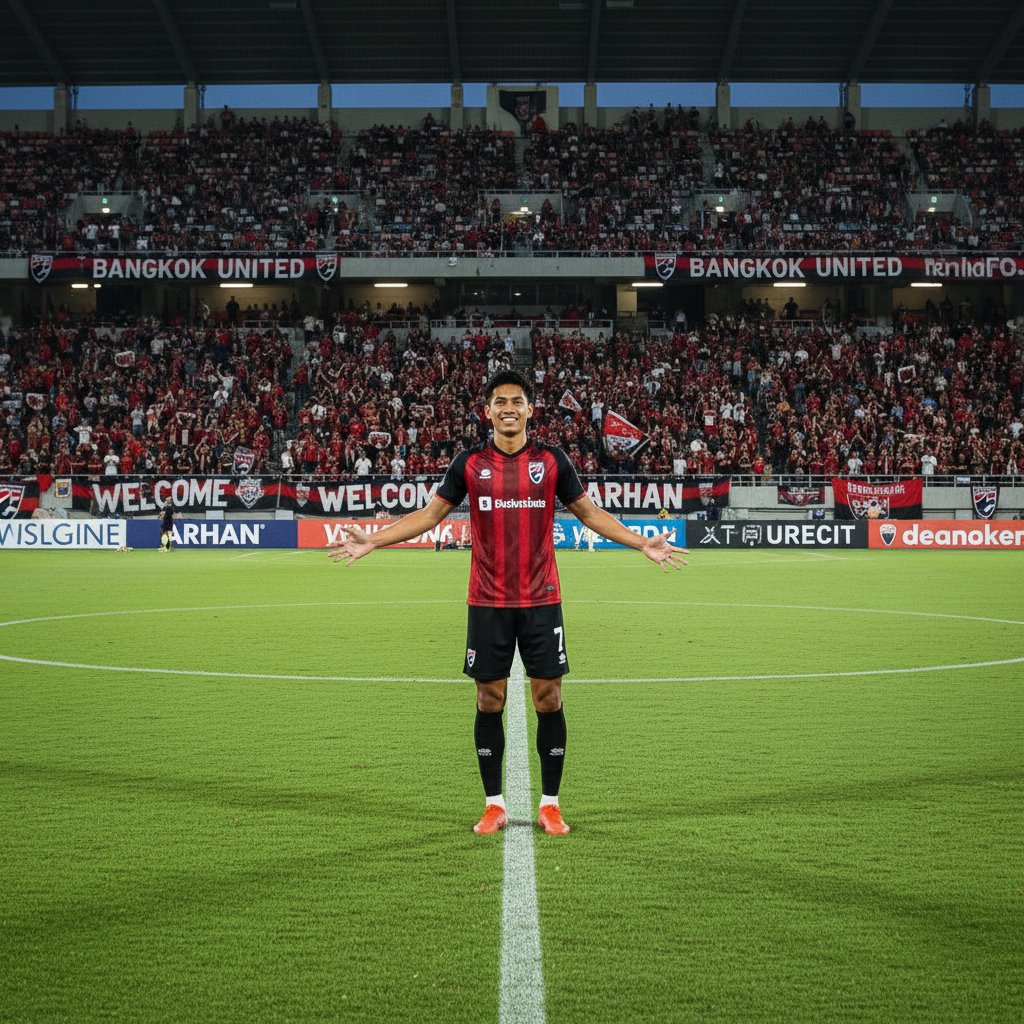
When the Boardroom Meets the Pitch: Decoding Indonesia’s Tactical Pivot
Estimated reading time: 5 min read
Key Takeaways
- Indonesia’s shift from counter‑attacks to possession‑based play marks a strategic overhaul.
- The new technical director’s European experience is reshaping training, selection, and on‑field philosophy.
- Future fixtures will test possession, pressing, set‑piece structure, rotation, and psychological resilience.
Table of Contents
- A Quiet Revolution on the Grass
- The Tactical Anatomy of the Match
- What the Shift Means for Future Games
- The Psychological Edge
- The Role of the Technical Director
- A Call to the Fans
- Closing Thoughts
- Why did Indonesia shift to a possession‑based game?
- What impact does the new technical director have?
- How will fans support this new philosophy?
Konten Utama
A Quiet Revolution on the Grass
From the opening minutes, the Indonesian side avoided the frantic, high‑tempo approach that had defined their previous campaigns. Instead of launching long balls over the defense, they opted for short, incisive passes, building up play from the back. The midfielders kept the ball in their possession for longer periods, patiently searching for gaps in the opposition’s formation. It was a deliberate departure from the “hit‑and‑run” style that had become synonymous with Indonesian football.
Why this shift? The answer lies in the appointment of a new technical director, a man whose pedigree in European football is matched only by his reputation for disciplined, structured play. He has brought a philosophy that values positional play over sheer speed, a philosophy that has already begun to seep into the team’s training sessions. The players, for the most part, have embraced this change, showing a willingness to adapt and a growing understanding that possession can be as effective as pace.
The Tactical Anatomy of the Match
1. Defensive Solidity
The first half was a masterclass in defensive organization. The defenders were disciplined, staying in a narrow, compact shape that left little space for the opposition to exploit. By maintaining a high line, the team forced the opponents into a congested midfield, limiting their ability to dictate the tempo. The result? A single goal conceded, but one that was a product of a defensive lapse rather than a lack of tactical awareness.
2. Midfield Control
The midfield trio was the engine of the game. They moved in synchrony, always maintaining a triangular shape that allowed them to cover both the central lanes and the flanks. Their passing range was impressive, often switching the point of attack with a single well‑placed pass. This fluidity created confusion for the opponents, who struggled to find a clear target.
3. Attacking Creativity
On the front line, the forwards displayed an increased willingness to drop deep and link with the midfield. This fluidity meant that the attack was not reliant on a single striker but rather a collective movement that kept the defenders guessing. The final goal was a product of this collective movement, as the striker made a smart run, timing his shot to perfection.
What the Shift Means for Future Games
| What to Watch | Why It Matters |
|---|---|
| Possession Statistics | A sustained increase in possession will indicate the new system is taking root. |
| Pressing Intensity | The team’s ability to press from the front will test the opponent’s buildup. |
| Set‑Piece Organization | Structured set‑pieces are a hallmark of disciplined teams; watch for improved conversion rates. |
| Player Rotation | The coaching staff will likely rotate players to test depth and adaptability. |
| Psychological Resilience | The ability to maintain composure under pressure will be a true test of the new philosophy. |
The Psychological Edge
One of the most compelling aspects of this tactical shift is its psychological impact. By adopting a more patient approach, the team sends a message to its opponents: we’re not just here to rush; we’re here to dominate the tempo. This mental stance can be as potent as any physical tactic. It forces opponents to play a game they are less comfortable with, potentially leading to errors and missed opportunities.
The Role of the Technical Director
The appointment of the new technical director is the catalyst behind this transformation. His influence is evident not only in the way the team moves but also in the training regimes, the selection of players, and the overall strategic mindset. By prioritizing structure over flair, he has created a system that is both defensively sound and offensively potent. It’s a balancing act that, if maintained, could elevate Indonesian football to a new competitive level.
A Call to the Fans
For the fans, this is more than just a new way of playing; it’s a chance to witness the birth of a new footballing identity. It’s a reminder that football is not static; it evolves with ideas, people, and a willingness to adapt. The next matches will be a test of this new philosophy, and the fans’ support will be crucial in solidifying this identity.
Closing Thoughts
Football is a language, and every match is a conversation. The conversation we’ve seen today is one of change, adaptation, and strategic depth. It reminds us that the scoreline is just the surface; the true story lies in the patterns, the decisions, and the underlying philosophy that guides every move.
If you’re curious to see how these ideas play out on the field, you might want to keep an eye on the upcoming fixtures. And for those of you who want to dive deeper into the strategic side of football—and even basketball—you might find that catur188 offers a fresh perspective on how disciplined play can be the difference between mediocrity and greatness.
FAQ
Why did Indonesia shift to a possession‑based game?
The new technical director’s European background emphasizes positional play and structured build‑ups, prompting a move away from the traditional counter‑attack focus.
What impact does the new technical director have?
He has redefined training, player selection, and tactical philosophy, prioritizing discipline, structure, and possession over sheer pace.
How will fans support this new philosophy?
Fans can reinforce the change by embracing the patient, possession‑driven style, attending matches, and maintaining enthusiasm throughout the season.